One Rating Keeps the 2026 RAV4 From IIHS's Top Award: The Back Seat
The 2026 RAV4 lost IIHS's top award on rear seat belts, not its body. Hyundai and Nissan fixed the same problem with running changes. Toyota hasn't said whether it will.
Contents · 7 parts
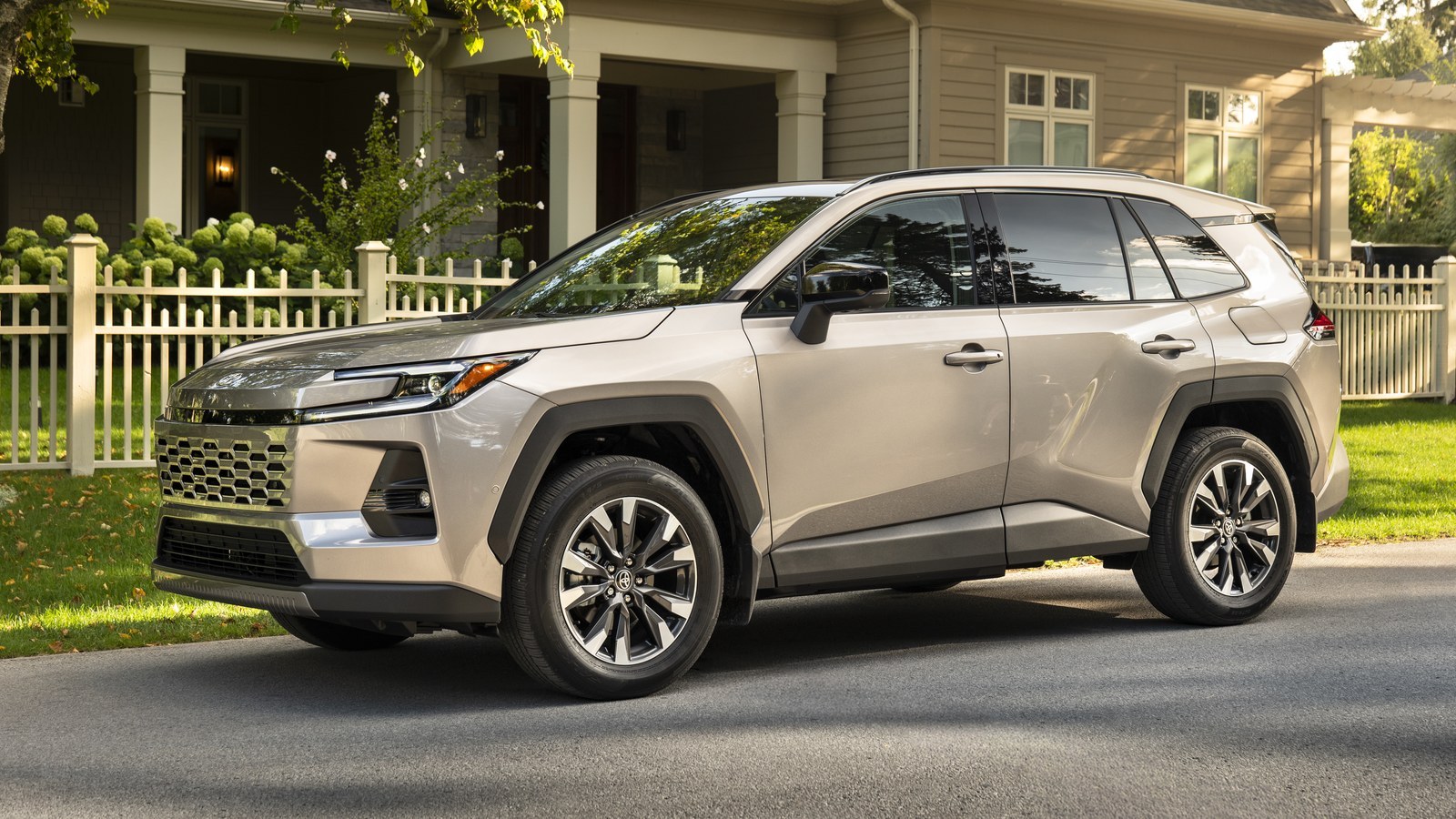
The 2026 Toyota RAV4 Hybrid earns Good ratings in every crash test the Insurance Institute for Highway Safety runs except one. That one result, Acceptable in the updated moderate overlap front test published Oct. 22, is the only thing keeping America's best-selling crossover out of the institute's Top Safety Pick+ tier. The plug-in version did worse: Marginal.
Here's what the headlines miss. The RAV4's body held up. Its structure and safety cage are rated Good. What slipped was how the rear seat belts handled a small adult, or a 12-year-old, sitting behind the driver. That is a restraint problem, and restraint problems get fixed on the assembly line. Hyundai and Nissan have just shown how.
In my view, the RAV4 Hybrid is the easiest fix in this round of tests. That turns the next six months into a test of Toyota's priorities, not its engineering.
The RAV4 lost the award in the back seat
IIHS reworked its moderate overlap test to add a second dummy, sized like a small woman or a 12-year-old, in the second row behind the driver. The institute's Oct. 22 release covered six vehicles. Three small SUVs in it, two RAV4s and the Audi Q3, would have qualified for the top award if not for this single test.
The RAV4 Hybrid's rating page shows a tested LE Hybrid with Good scores for structure and every driver measure. The rear passenger's head and neck, chest, and restraints and dummy kinematics are all Acceptable. Small overlap, side, headlights, and both front crash prevention evaluations are Good. Under IIHS's 2026 criteria, a Good result here would have made it a Top Safety Pick+.
The RAV4 Plug-in Hybrid shares the Good structure score, but its rear restraints and dummy kinematics drop to Poor. That pulls its overall rating down to Marginal.
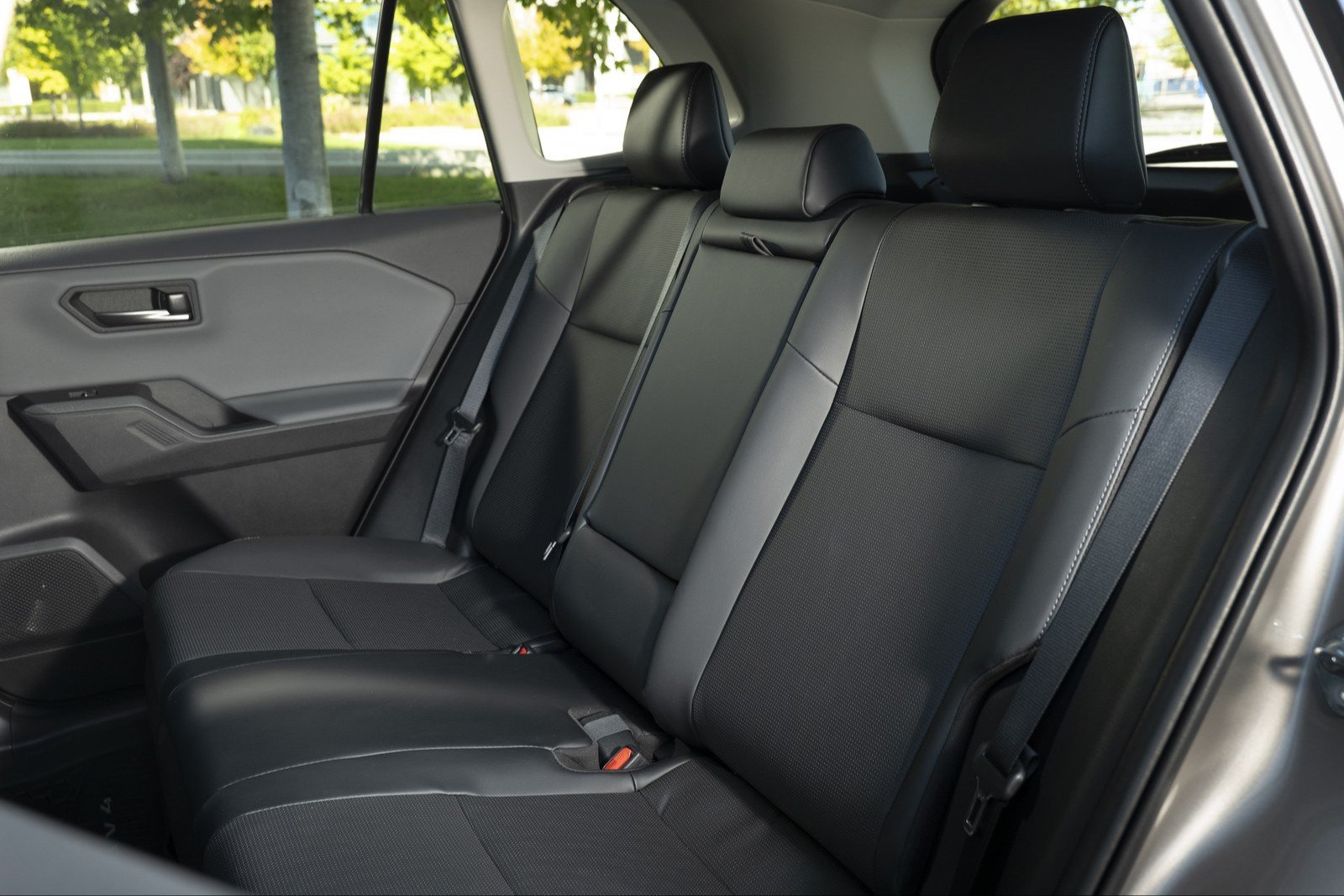
Hyundai and Nissan fixed this with belts, not bodies
The precedent fits almost too neatly. In May, IIHS said the 2026 Hyundai Palisade qualified for Top Safety Pick+ only when built after November 2025, when Hyundai changed the rear seat belt buckles. Earlier Palisades rated Acceptable in the same test, exactly where the RAV4 Hybrid sits today.
Nissan's case is more dramatic. The Kicks, redesigned for 2025, started with a Poor rating. After Nissan changed the rear seat belts on vehicles built after June 2026, the same body earned Good and a Top Safety Pick.
Neither company redesigned a platform. They changed parts you could hold in one hand. That's why I don't buy the idea that the RAV4 has to wait for a mid-cycle refresh.
Audi and Chevrolet show the fix isn't automatic
This is the part that complicates my argument, so it belongs on the table. Audi changed the Q3's rear seat and belts for vehicles built after May 2026. Chevrolet improved the Trailblazer's rear belt load limiters starting with vehicles built after February 2026. IIHS's ratings apply to those updated builds. Both still scored Poor.
| RAV4 Hybrid | RAV4 Plug-in Hybrid | Audi Q3 | Chevrolet Trailblazer | |
|---|---|---|---|---|
| Moderate overlap, overall | Acceptable | Marginal | Poor | Poor |
| Rear restraints and dummy kinematics | Acceptable | Poor | Poor | Poor |
| Rear passenger chest | Acceptable | Acceptable | Marginal | Marginal |
| Rear shoulder belt tension | 3.9 kN | 3.7 kN | 4.6 kN | 4.8 kN |
| Rear belt changes before the rated test | None disclosed | None disclosed | Seat and belts, after May 2026 | Load limiters, after Feb. 2026 |
What I read in those numbers: the RAV4 Hybrid starts closer to the line than either the Audi or the Chevy. Its rear chest score is a grade higher, and its shoulder belt carried less load. Belt tension alone doesn't explain everything, though. The Plug-in loaded its belt even less and still rated Poor for restraints, which tells me the problem is in how the dummy moves, not only in how hard the belt pulls. A Poor car may need a different restraint design. An Acceptable car may need a tuning pass. That is my reading of IIHS's published measurements, not something Toyota has said.
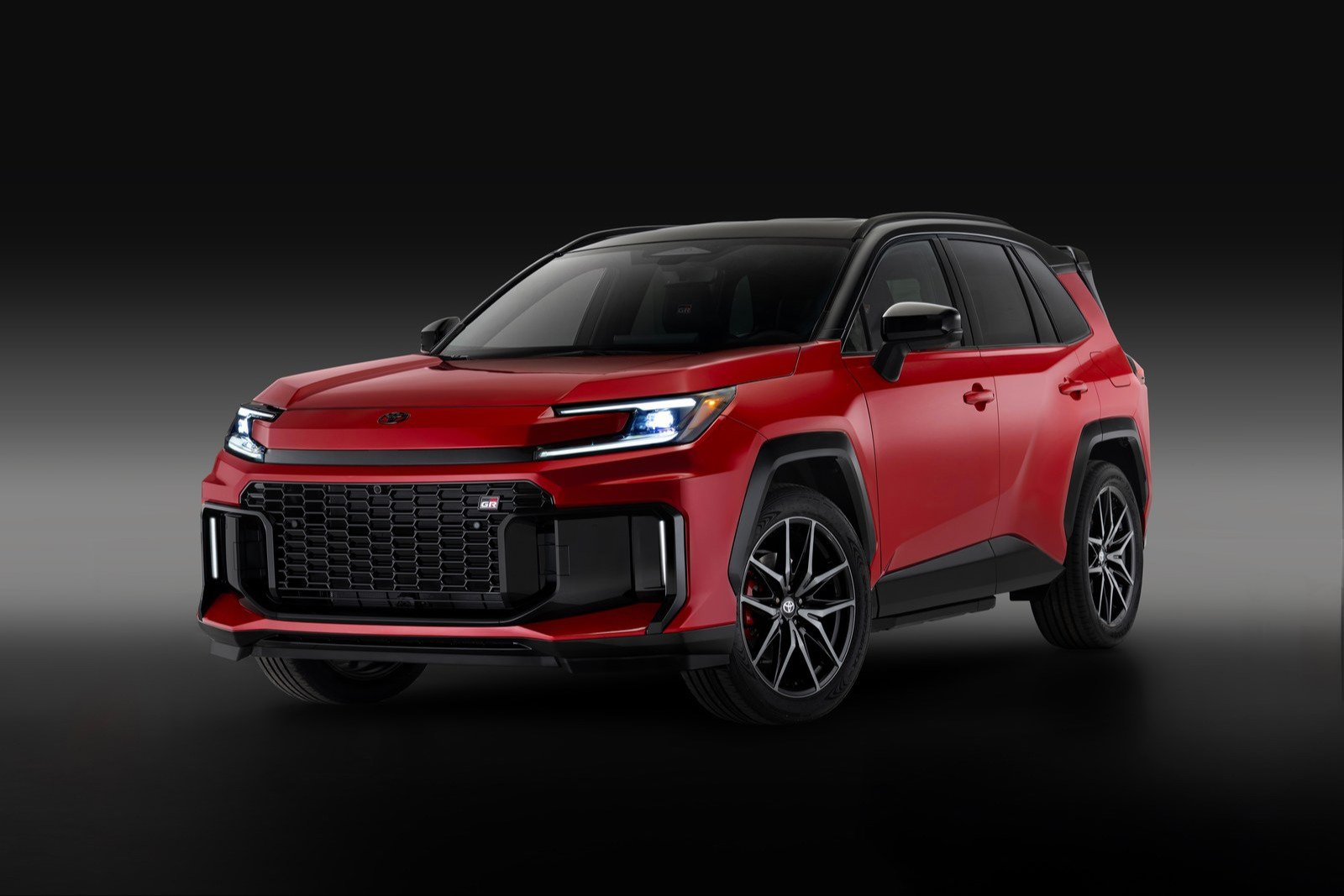
Toyota has known about this test since 2022
This isn't IIHS moving the goalposts on an old design. When the institute introduced the rear-seat test in December 2022, the previous RAV4 was in the first batch, and IIHS reported that its lap belt slid from the pelvis onto the abdomen. That generation is rated Marginal in the updated test.
The sixth-generation RAV4 was engineered with that result in public view. It moved up one grade, to Acceptable. That is progress. It is not the jump I'd expect from a company with Toyota's resources on its most important nameplate.
Scale is what makes this matter. Toyota sold roughly 479,000 RAV4s last year, according to The Truth About Cars' count of Toyota's figures, or about 40,000 a month. At that pace, every month without a running change adds another 40,000 back seats that IIHS rates one step below Good.
The case against my view
The strongest objection is simple: Acceptable is not unsafe. The RAV4 Hybrid's driver protection, side protection, and crash avoidance are all rated Good, and the rear dummy's head made no hard contact in the test. IIHS also adjusted the rating criteria for this test in February 2024, and its yardstick keeps moving faster than automakers replace generations. A shopper choosing a RAV4 Hybrid is not choosing a dangerous car.
I accept every part of that, and it doesn't change my conclusion. The question isn't whether the RAV4 is safe enough. It's whether the best-selling family crossover in the country should trail Nissan's subcompact Kicks in protecting a passenger in the back seat, after two automakers showed this year that the fix doesn't require a new body.
What would change my mind
If Toyota says the RAV4 needs new seats or structural changes rather than belt hardware, my easy-fix reading is wrong, and the timeline stretches to a refresh.
If IIHS rates a later-build RAV4 Hybrid with announced belt changes and it stays at Acceptable, the Audi and Chevrolet cases were the better guide than Hyundai and Nissan.
And if the RAV4 Hybrid appears with a build-date split like the Palisade's by the time IIHS names its first 2027 award winners next spring, Toyota did what I'm asking, and sooner than I expect.
My read
The RAV4 didn't miss Top Safety Pick+ because of its body. It missed because of its rear belts, and two other automakers have shown that kind of problem can be solved without a redesign. My bet is the Hybrid reaches Good through a running change, while the Plug-in, with a Poor restraint score, is the harder job. Until Toyota names a date, the back seat of America's default family crossover sits one belt change short of where it should be.