BMW's $500 Charging Credit Is a Cut for i7 Buyers and a Gift to Its Own Network
For the 2027 i7, the $500 credit is worth less than the 2,000 kWh it replaces. The bigger change is where it sends buyers: to a network BMW co-owns.
Contents · 6 parts
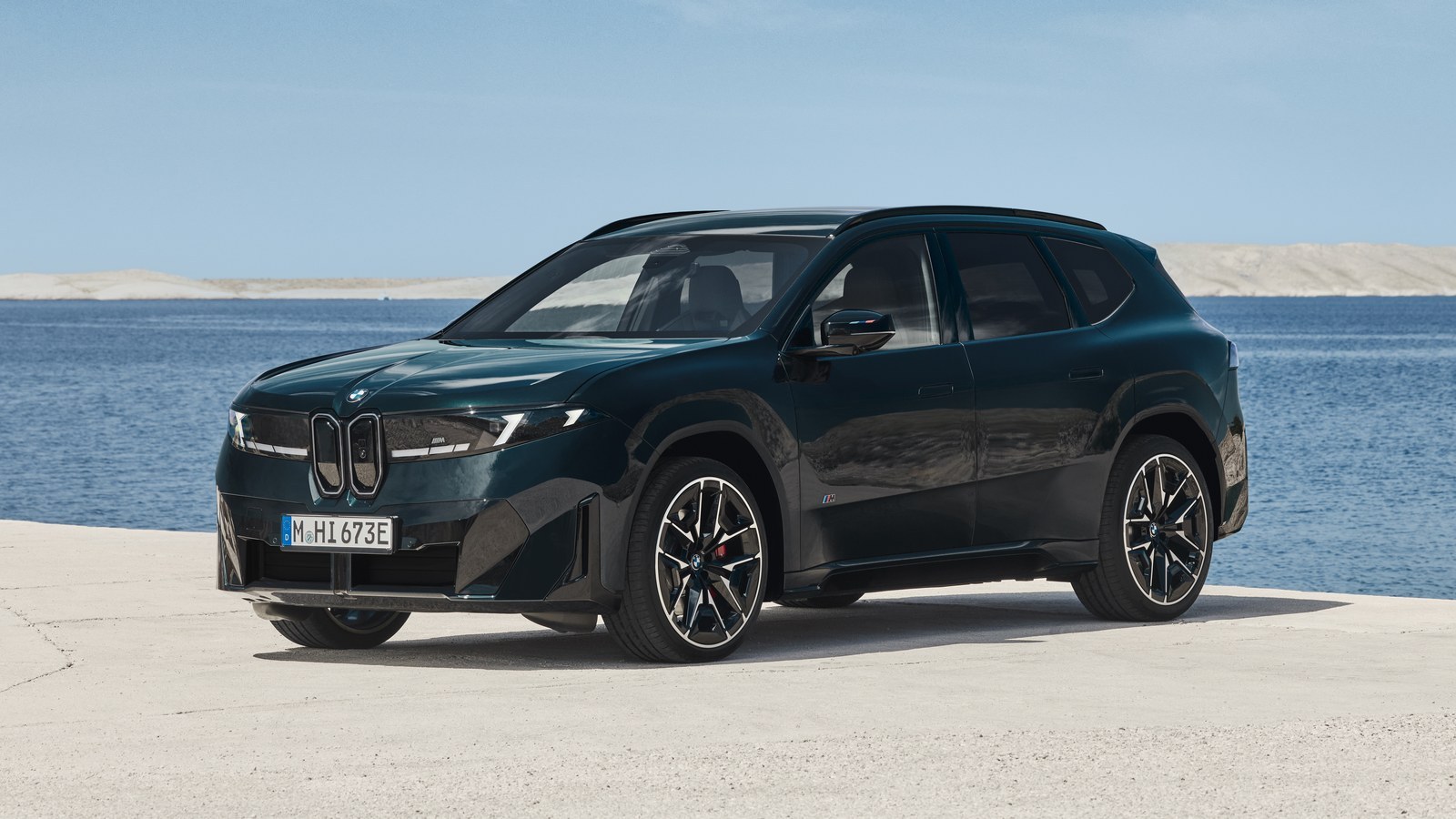
BMW of North America is giving buyers of 2027 i5, i7 and iX3 models $500 in public charging credits, plus a year of discounted rates at IONNA. Most of the coverage this week called it free charging. I read it differently.
For the i7 buyer, this is a smaller deal than the one it replaces, and it expires two years sooner. For everyone else, the more interesting part is where the money is being sent: not to the network BMW used to pay for, but to one it co-owns. Free charging is no longer a sweetener for EV shoppers. It is turning into a customer-acquisition budget for automakers' own charging businesses.
What BMW is actually offering
The package announced on November 5 has three parts. A $300 credit works across BMW ChargingNetwork, which the company says covers more than 15 providers, including IONNA, Shell Recharge, ChargePoint and EVgo. A separate $200 credit works only at IONNA. And a complimentary one-year BMW membership at IONNA cuts its rates by 25%. Everything is valid for up to one year from the date of sale, and only the 2027 i5, i7 and iX3 qualify. The i4 and iX are not on the list.
IONNA is the charging joint venture of eight automakers, and BMW is a founding member. BMW says it now runs more than 200 sites with chargers of up to 400 kW.
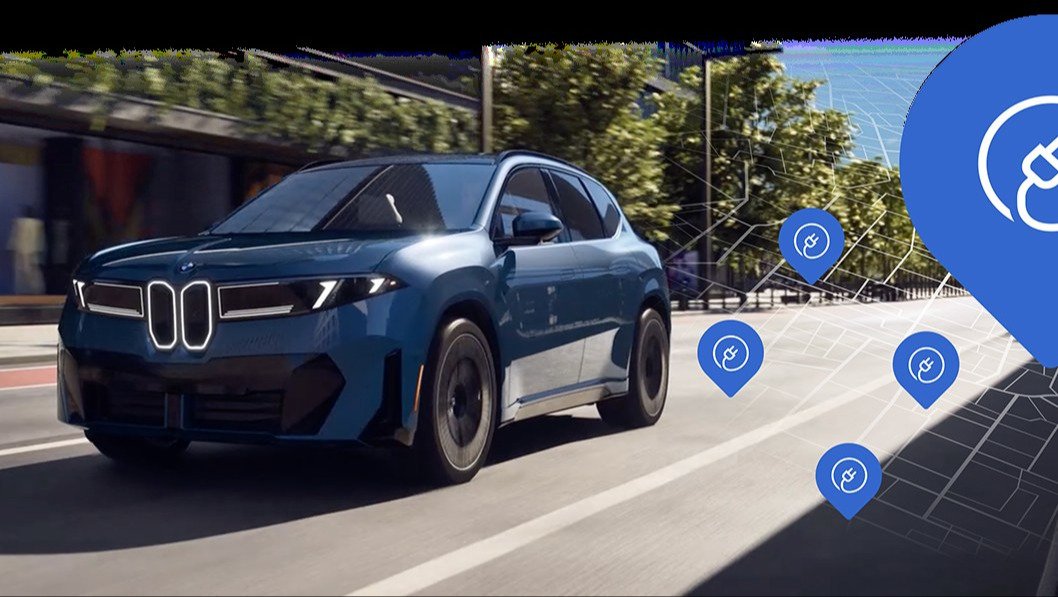
The i7 buyer is the one who loses
Until now, BMW's EV perk was energy, not dollars. Electrify America's terms for the 2026 BMW i7 give first owners 2,000 kWh of complimentary charging, redeemable for up to 36 months from purchase. The 2026 i4, i5 and iX got 1,000 kWh over two years, with 30-minute sessions, according to Kelley Blue Book.
Is that plan still there for 2027? BMW's release doesn't say. But BMW USA's own EV FAQ describes the Electrify America plan as available on 2022 to 2026 model-year BMW EVs, and Electrify America's site has no disclosure page for a 2027 BMW. Until BMW says otherwise, I treat the $500 as the replacement, not an addition.
The cleanest way to compare a kWh plan with a dollar plan is to price both at the same rate. IONNA caps its price at $0.39 per kWh, plus tax. At that rate, the old i7 allowance is worth about $780, and the new one is worth $500.
| 2026 i7 | 2026 i4 / i5 / iX | 2027 i5 / i7 / iX3 | |
|---|---|---|---|
| Benefit | 2,000 kWh | 1,000 kWh | $500 in credits |
| Window | 36 months | 24 months | 12 months |
| Value at IONNA's $0.39 cap | ~$780 | ~$390 | $500 |
| Energy if spent at IONNA | 2,000 kWh | 1,000 kWh | ~1,280–1,710 kWh |
| Where it works | Electrify America | Electrify America | BMW ChargingNetwork; $200 IONNA only |
The best case for the new package assumes every dollar is spent at IONNA and the 25% membership discount applies to credit-paid sessions. BMW hasn't said whether it does. Without the discount, $500 buys about 1,280 kWh. Spend the $300 at a pricier network, and it shrinks further.
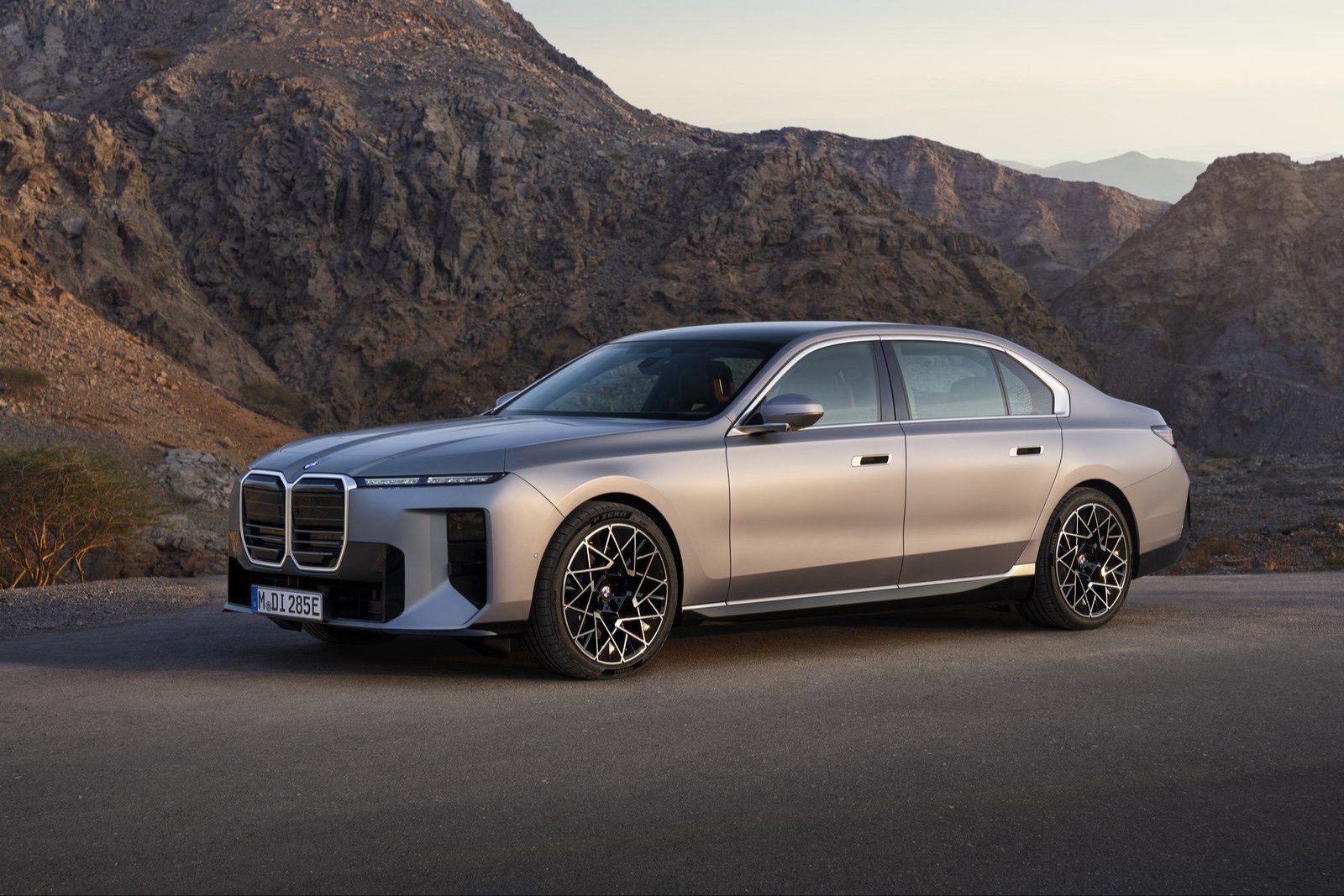
There is an irony in the timing. BMW's own announcement of the updated 7 Series says the BMW Digital Premium package, with unlimited streaming data, is included for four years. The i7 50 xDrive starts at $106,200 and the i7 60 xDrive at $124,700. A buyer at that price gets four years of free video in the back seat and one year of charging credit.
The money follows the network BMW owns
The part I find more telling is the routing. Electrify America belongs to Volkswagen Group. Every kWh BMW handed out there was revenue for a rival's charging business. The new package sends a fixed $200 straight to IONNA, makes IONNA the cheapest place to spend the other $300, and signs the buyer up for an IONNA membership. That is how you fill a young network with repeat customers.
BMW has been building this habit all year. In May it gave every BMW and MINI driver 20% off IONNA sessions through September 30. Hyundai, another IONNA founder, added its own discount in August. Volkswagen made the same move earlier with its own network: for the 2026 ID.4, free charging was replaced by a discount membership at Electrify America.
There is a detail that sharpens this. Every new i7 now comes with a native NACS port and access to Tesla's Supercharger network, BMW says. BMW's release does not list Tesla among the providers where the credits work. The car can plug in almost anywhere. The free money steers it to particular places.
For buyers, this matters beyond BMW. With the $7,500 federal credit gone since September 2025, perks like free charging were one of the few levers still narrowing the cost gap with gas cars. If you want the real math on that gap, our gas vs. EV cost-per-mile breakdown shows how much depends on public charging prices. A perk that shrinks to one year and one preferred network does less of that work.
The case against my view
The strongest argument for BMW is that the new deal is simply better designed. Dollars are more flexible than kWh. They work at more than 15 networks instead of one. There is no 30-minute cap. And unlimited free sessions have a known side effect: drivers who pay nothing linger, and stations clog.
For the i5 buyer, the new package may even be bigger. At IONNA's capped rate, 1,000 kWh is worth about $390, less than $500. IONNA also ranked first among fast-charging networks in J.D. Power's 2026 study, according to BMW.
I accept most of that. For an i5 owner who charges at IONNA, this is a fair swap, and a single network beats a lottery of broken chargers. But it doesn't touch the i7 math, and it doesn't explain the 12-month window. A program built only for flexibility would not also cut the time to use it in half or by two-thirds. That part looks like cost control.
What would change my mind
If BMW confirms in writing that the Electrify America plan continues for the 2027 i7 on top of the $500, the cut disappears and my main point falls with it.
If the iX5 and i3, due in the U.S. in the first quarter of 2027, launch with a larger or longer package, I would read November's offer as a stopgap, not a direction.
And if BMW lets the credits work at Superchargers, which i7 owners can now reach natively, the routing argument weakens considerably.
My read
The $500 headline is accurate, but it hides a trade: less charging for the most expensive BMW EV, a shorter clock for everyone, and a clear push toward a network BMW part-owns. My bet is that by the 2028 model year, more IONNA founders will tie their charging perks to IONNA, not to neutral networks. Free charging isn't disappearing. It is becoming a loyalty program, and the buyer is the product being acquired.