CarGurus Lawsuit Exposes the Flaw in Every Online 'Great Deal' Badge
New York's case against CarGurus shows a deal badge that ignores mandatory fees measures listing format, not price. I expect out-the-door ratings to become the norm.
Contents · 7 parts
New York City is suing CarGurus over a badge. In a complaint filed October 5 in New York State Supreme Court and announced October 15, the city's Department of Consumer and Worker Protection (DCWP) alleges the platform labeled cars "Great Deals" while thousands of dollars in mandatory dealer fees sat in the fine print. The city counts more than 2,000 violations of its Consumer Protection Law.
These are allegations, not findings, and CarGurus rejects them. But the most useful part of the complaint isn't the accusation. It's the arithmetic.
Here's what the headlines miss. A "Great Deal" rating, as CarGurus itself describes it, compares one asking price with an estimate built from other listings. Fees enter that equation only if the dealer puts them in the asking price. In my view, that makes the badge a measure of how a dealer formats a listing, not of what a buyer pays. And that is a problem for every site that rates deals, not just this one.
New York says the badge vouches for prices the buyer never sees
According to the city's 31-page complaint, CarGurus rates each listing by comparing the dealer's Asking Price with its Instant Market Value, or IMV. Below the IMV, a car is a "Great" or "Good" deal; above it, "High" or "Overpriced." The site also prints the gap in dollars: "$2,212 below market."
The city alleges that many New York listings left required fees, mandatory down payments, or trade-in conditions out of that Asking Price and disclosed them only in collapsed boxes at the bottom of the page. It also targets CarGurus' AI chatbot, which, per the complaint, generates lists of "Great Deals" without showing those disclaimers at all. New York wants a permanent injunction, maximum civil penalties, and restitution.
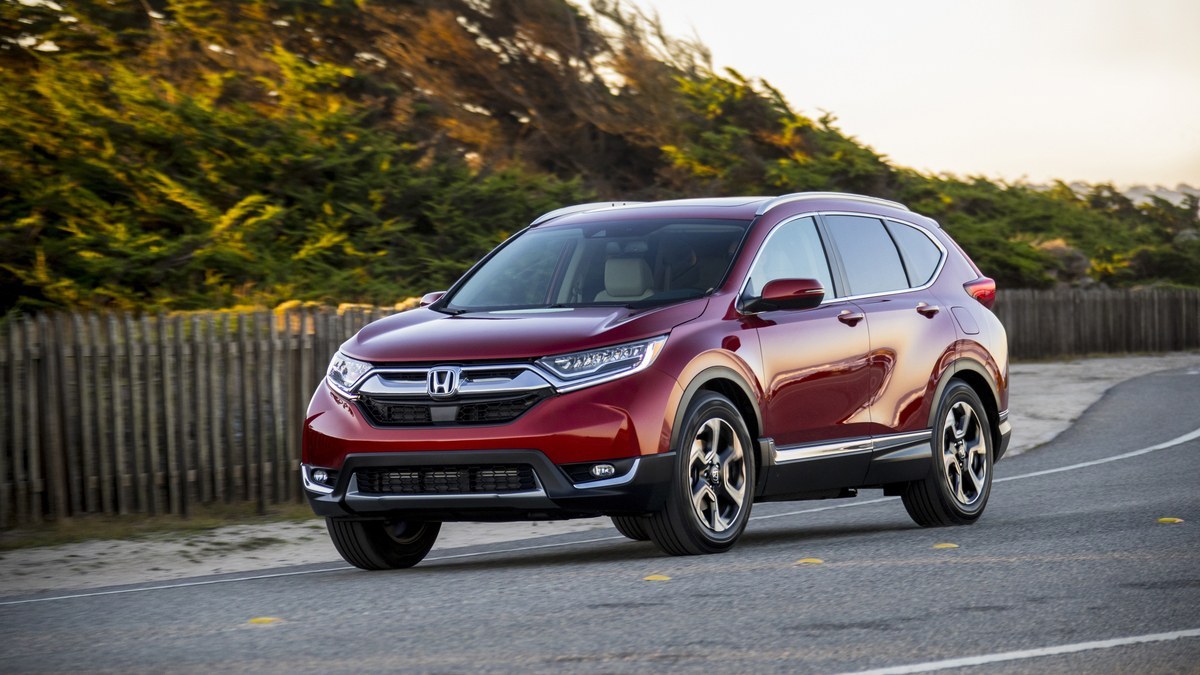
The city's announcement leads with one listing: a 2018 Honda CR-V EX AWD offered by Elite Mitsubishi in June, rated a Great Deal at $2,212 below market. CarGurus' new fee badge said the price included dealer fees. According to the complaint, it included one, a $175 documentation fee, while a second disclaimer listed $3,685 more for prep and destination, conveyance, and admin. On a used car from 2018, "destination" is doing a lot of work.
The math turns a discount into a markup
Three listings from the complaint show the pattern. The numbers are the city's, and CarGurus has not addressed them one by one.
| 2019 Audi Q5 (Jan. 2026) | 2018 Honda CR-V (June 2026) | 2018 Mercedes GLE 350 (Sept. 2026) | |
|---|---|---|---|
| Asking price | $14,999 | $16,174 | $18,590 |
| Rating shown | Great Deal | Great Deal | Great Deal |
| Shown as below market | $2,818 | $2,212 | $3,413 |
| What the fine print added | $3,685 in fees | $3,685 in fees | Price assumed 20% down |
| Above market, per the city | $867 | $1,473 | $1,234.50 |
None of these dealers invented anything. Moving margin out of the sticker and into line items is an old habit, and the FTC warned 97 dealership groups in March that an advertised price has to be the total price, mandatory fees included. CarEdge data cited in the complaint puts the average mandatory-fee markup at about $1,100 across more than 40,000 online quotes. Fees are the quiet cost at signing, the way repair bills are the quiet cost after it. What the platform added, in the city's telling, was a stamp of approval.
A benchmark that rewards the fee-hider
CarGurus' own explanation says the IMV is an estimated fair retail price derived from comparable current and past listings in your market, recalculated daily. That's a sensible way to value a car. It's a weak way to value a deal.
Here is the part I find most damaging, and I want to be clear it is my inference, not something the complaint proves. If the comparable listings carry the same fee habits, the benchmark inherits the blind spot. A dealer that lists low and adds $3,685 later doesn't just win its own badge; it helps define "market" for everyone else. The honest store that bakes its fees into the asking price then looks expensive next to a benchmark set by stores that don't. A rating meant to reward fair pricing can end up penalizing it.
CarGurus has started fixing part of this. Fee badges arrived at the end of April. Since July 14, used listings without disclosed fees get "No Rating" and sink in search, and on July 29 the company said more than 90% of used inventory from subscribing dealers now discloses fees. The city's answer is that the fix still trusts what dealers self-report. The CR-V badge said fees were included; per the complaint, most of them weren't.
Washington stepped back, so cities are stepping in
The federal backstop is thinner than many buyers assume. The FTC's dealer-pricing rule, known as the CARS Rule, was vacated by the Fifth Circuit in January 2025, and the agency formally withdrew it on February 12, 2026. What's left is case-by-case enforcement under the FTC Act and warning letters. Local regulators are filling the gap: DCWP proposed a rule in July requiring businesses to advertise the total price upfront, mandatory fees included.
That's why I think this case reaches past one company. If New York wins even a narrow ruling that a platform's own deal rating is the platform's own claim, every site that badges listings inherits the same risk. So does every AI shopping assistant that turns those listings into a short list of bargains.
The case against my view
The strongest defense is simple. CarGurus shows the price the dealer chose to publish. The dealer writes the disclaimer, sets the fees, and answers to the law, and a marketplace with millions of listings cannot audit every line of fine print. CEO Jason Trevisan said in a statement to Auto Remarketing that the city's claims don't reflect the facts and that CarGurus will defend itself vigorously. He pointed to price histories, days-on-market data, fee labels, a Trust and Safety team, and a claim that CarGurus gives its top rating to a smaller share of inventory than its rivals do.
I take that seriously, and parts of it may win. How far a platform answers for third-party content is a real legal fight. The stakes are also bounded: the city code sets penalties at $350 to $2,500 per violation, or $3,500 for knowing ones, which by my math makes this a seven-figure case at most, not an existential one.
But the rating isn't dealer content. CarGurus computes it, names it, and puts a dollar figure on the savings. Its own pricing guidelines, quoted in the complaint, say listed prices must be full cash prices available to any shopper, with no required dealer financing or down payment. A company that writes that rule and then scores listings that break it is making its own claim. I don't think "we just host the ad" covers that.
What would change my mind
If CarGurus shows in court that its July changes already pulled ratings from listings with buried fees, and that the city's examples were isolated misses, my argument shrinks from a design flaw to an enforcement gap.
If a judge throws out the core deal-rating claims on platform-liability grounds at the motion stage, the industry gets a green light to keep rating sticker prices, and my forecast below is wrong.
And if no state attorney general or the FTC brings a similar case against a listing platform by the end of 2027, New York is an outlier, not a template. I haven't seen another regulator announce one yet.
My read
A deal rating that ignores mandatory fees isn't a rating; it's a formatting contest that some dealers learned to win. CarGurus may beat parts of this lawsuit, but its own July policy already concedes the direction. My bet is that within a year the badges that survive on major listing sites will be computed on the out-the-door price. Until then, add the fine print before you believe the label.